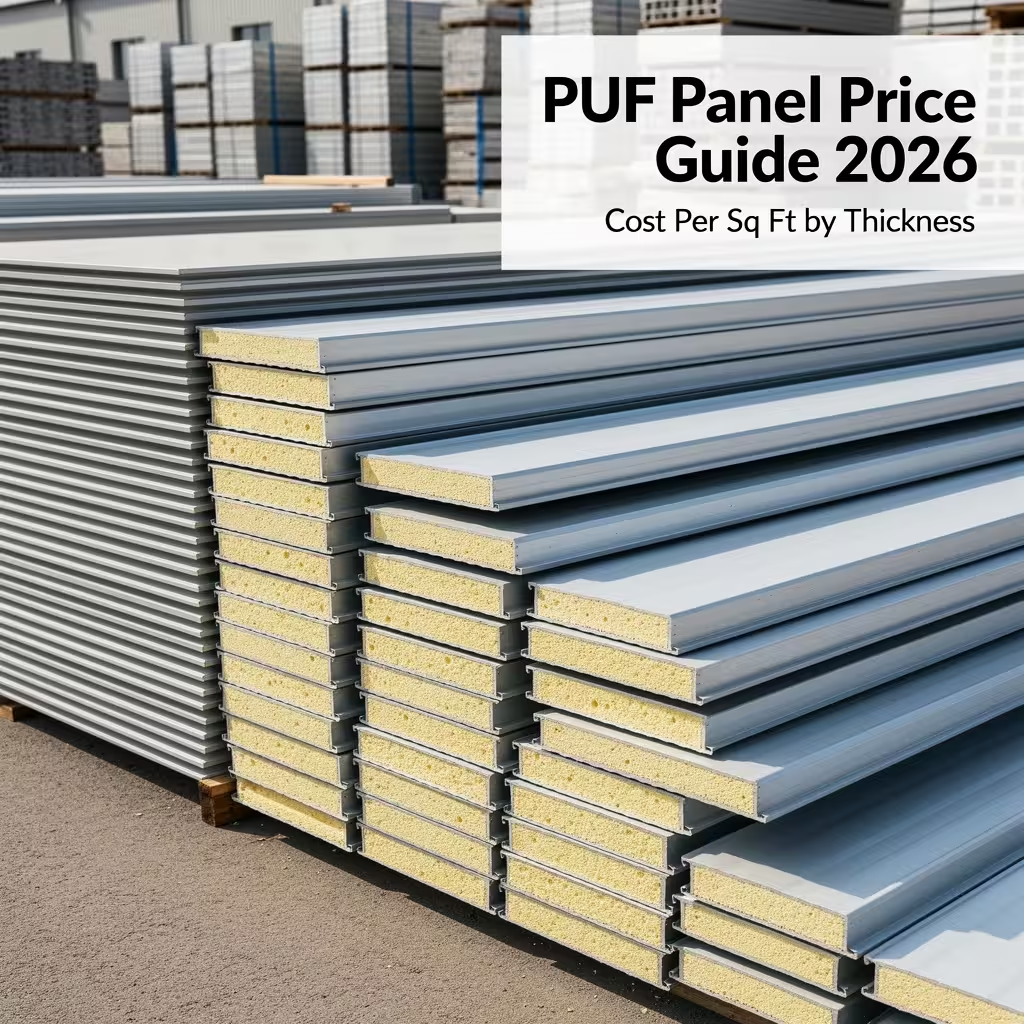
PUF Panel Price Guide 2026: Cost Per Sq Ft by Thickness
When contemplating warehouse design or establishing a cold storage facility, cleanroom, electric machine, an urban site, or an industrial building, one of the main queries arises: "What is the cost of a PUF panel per square foot?". Knowing the cost of insulation panels helps determine the construction budget and enables one to avoid the unanticipated cost of implementing the construction project.
PUF (Polyurethane Foam) panels are considered one of the most chosen construction materials in light of the significant advantages they possess, namely, great thermal insulation properties, light weight, high durability, and easy installation. PUF panels find application in any area where energy efficiency and temperature control are vital.
Nevertheless, it would be misleading to say that the cost of a PUF panel remains constant over time. The price of a PUF panel varies depending on certain technical specifications such as panel thickness, the quality of steel sheets, insulation density, panel size, type of surface coating, and others.
In this tutorial, we will cover the PUF panel prices on a square foot basis, compare multiple thicknesses that include both the 60mm and the 75mm PUF panel options, examine the various price-affecting factors, and make recommendations for the proper panel choice to fit the specific needs of your project.
Average PUF Panel Price Per Sq Ft (2026)
The following table gives indicative price ranges for several thicknesses of PUF panels. These estimates help the buyers understand how the overall price depends on the thickness of the insulation and the requirements of its application.
| Panel Thickness |
Estimated Price Range (₹/Sq Ft)* |
Common Applications |
| 30 mm | ₹110 – ₹135 | Office cabins, partitions |
| 40 mm | ₹120 – ₹150 | Wall cladding, commercial buildings |
| 50 mm | ₹135 – ₹170 | Industrial sheds, warehouses |
| 60 mm | ₹150 – ₹190 | Food processing units, insulated rooms |
| 75 mm | ₹170 – ₹215 | Cold rooms, pharmaceutical facilities |
| 80 mm | ₹185 – ₹230 | Cold storage |
| 100 mm | ₹220 – ₹275 | Frozen storage |
| 120 mm | ₹260 – ₹330 | Large cold storage facilities |
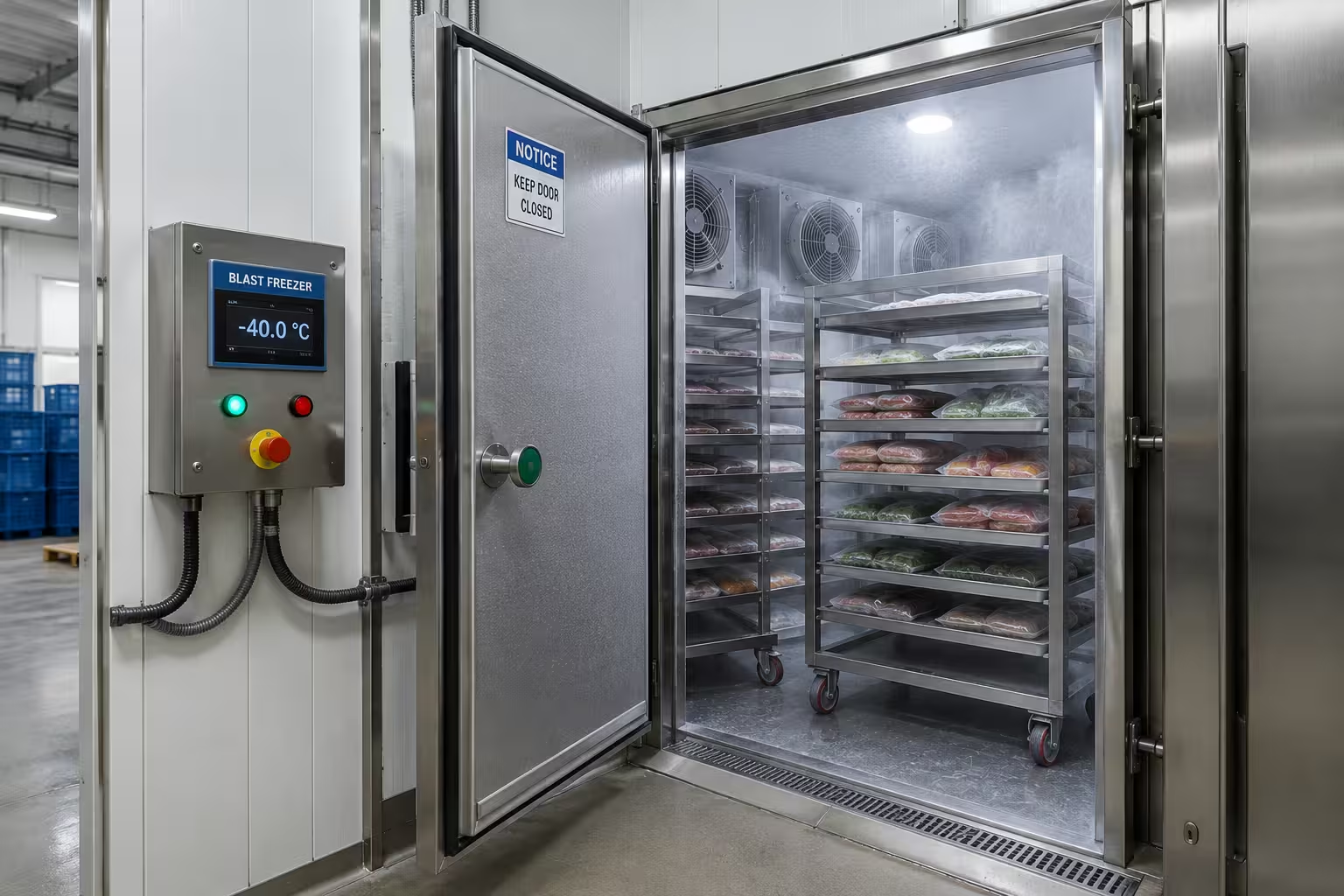
| 150 mm | ₹320 – ₹400 | Blast freezers and deep-freeze applications |
Disclaimer: Indicative prices above are for information purposes only. The actual price will depend on the project specifications, quality of materials, order quantity, location, accessories, transportation, taxes, and installation requirements.
Why Does PUF Panel Price Vary?
There is a common misconception among buyers that it is just the thickness of the panels that determines the price. While thickness is certainly important in determining the price, many technical and commercial factors also determine the quote.
When you know about these factors, you can compare the quotes of different suppliers better and not overpay for specifications that you may not actually need.
1. Panel Thickness
Panel thickness is a key factor when it comes to pricing. Panels that are thicker require much more polyurethane insulation during production. Below is what can be said regarding various thicknesses:
- 40mm panels are good for industrial walls or office divisions
- 50mm panels are used for warehouses or industrial buildings
- 60mm panels have better insulative properties for food-making facilities
- Panels that are 75mm and over are recommended if better temperature retention is required
- 100mm to 150mm panels are perfect for cold storage or frozen purposes
As the thickness increases, the thermal performance and cost increase.
2. Steel Sheet Quality
An outer steel layer protects the insulation core from damage caused by blows, corrosion, weathering, and long-term use.
Better-quality steel ensures:
- More reliable construction
- More reliable protection against corrosion
- Longer operational life
- Better appearance
- More reliable design with respect to loading
Panels made of high-quality coated steel tend to cost more but also require significantly lower upkeep in the long run.
3. Polyurethane Foam Density
PUF panel insulation contains rigid PU foam. Higher density of foam leads to:
- Better effectiveness of insulation
- Higher compressive strength
- Improved congruency
- Better energy efficiency
- Longer lifespan of the product
While the cost of such high-density insulation might be higher in the beginning, in the future, it will lead to lower electricity expenses while creating a temperature-controlled atmosphere.
4. Panel Dimensions
Typical panel sizes tend to be less costly since they usually have a high production volume. Manufacturing variations with custom lengths, special widths, or project-specific dimension requirements can drive up the overall cost. Where possible, choosing standard dimensions is recommended in order to ensure project cost efficiency.
5. Surface Finish
The style of finish is another factor that can influence prices. Different PU panel insulating systems can have a variety of special coating systems to ensure longevity, hygiene, or resistance to corrosion. Some of these options include:
- Color-coated steel
- Galvanized steel
- Pre-painted steel
- Food grade coatings
- Highly corrosion-resistant properties
Places that are situated near coastal areas or chemical plants might need extra protective coatings, which cost more.
6. Order Quantity
Big business deals usually enjoy higher competitive prices than small purchases. This is because manufacturers tend to give lower prices for bulk orders. The following are some of the reasons why this happens:
- Production is more efficient
- Transport costs are lower
- Material purchase is made in a bigger amount
- Manufacturing waste is minimized
If you are constructing many buildings or thinking of future expansion, talk to your supplier about volume pricing.
7. Transportation and Logistics
With regard to how PUF panels compare with other building materials, they are light in weight compared to traditional building materials but take up valuable space in terms of laying and transporting. These variables come into play in calculating transportation costs:
- Distance from the factory
- Target destination
- Kind of vehicle being used
- Unloading method
- Reachability of the site
When it comes to remote locations, transport expenses may represent an important percentage of the final cost of the project.
8. Installation Requirements
Often, the quoted price of the panel refers to the product only. The project may incur other costs, including:
- Installation
- Flashing
- Fasteners
- Sealants
- Silicone
- Trims
- Roofing accessories
- Waterproofing
Make sure to check if these costs are included in the total price of the quotation before comparing them.
60mm PUF Panel Price
Out of all the possible thicknesses, the 60mm PUF panel has become one of the most commonly used types in local buildings in the industrial and commercial sector, as it provides an excellent balance between insulation effectiveness and cost, which can be put to use for businesses that require temperature regulation without expensive insulation systems.
Typical Applications
A 60mm PUF panel is commonly used for:
- Food processing plants
- Commercial kitchens
- Dairy facilities
- Pharmaceutical manufacturing
- Warehouses
- Industrial buildings
- Packaging units
- Processing plants
Estimated Price Range
₹150–₹190 per sq ft
The actual cost of the project is determined according to:
- Thickness of metal
- Length of panel
- Volume of orders
- Coating type
- Location of the project
- Requirements for installation
For several industries, 60mm panels offer satisfactory insulation in terms of prices for construction.
75mm PUF Panel Price
75mm PUF panels can serve the purpose of enhanced thermal performance. The thick insulation core of these panels ensures less heat transfer, thus making these usable in cases when stable temperature is needed. Some sectors dealing with 75mm panels include:
- Cold chain logistics
- Pharmaceutical storage
- Food processing
- Dairy plants
- Beverage manufacturing
- Distribution centers
- Commercial refrigeration facilities
Estimated Price Range
₹170–₹215 per sq ft
Even though the starting cost is a bit more than the cost of the 60mm panel, better insulation of a building can help reduce energy usage during the life cycle of the building, especially in buildings employing refrigeration systems or HVAC.
Choosing the Right PUF Panel Thickness
It is equally important to choose the right thickness of PUF panels as it is to check prices. Thinner PUF panels can lower the initial cost, but they might not be that efficient for some applications, whereas thicker panels incur additional construction costs that do not correspond with the benefits. There are several factors that determine the optimal thickness of PUF panels — the purpose of a building, required indoor temperature, climate, and expected energy use. The table below gives general recommendations for different types of applications.
| Application |
Recommended Thickness |
| Office Cabins & Site Offices | 30–40 mm |
| Commercial Buildings | 40–50 mm |
| Industrial Sheds | 50 mm |
| Warehouses | 50–60 mm |
| Food Processing Units | 60 mm |
| Dairy Processing Plants | 60–75 mm |
| Pharmaceutical Facilities | 60–75 mm |
| Cold Rooms | 75–100 mm |
| Cold Storage Warehouses | 80–120 mm |
| Blast Freezers | 120–150 mm |
Every project has unique insulation requirements, so it's always advisable to consult an experienced supplier before finalizing the panel specification.
Is a Higher-Priced PUF Panel Worth the Investment?
There are many customers who only base their decision on the price of the product; however, while sticking to the budget is essential, assessing the value of PUF panels in the long term is just as crucial. Quality PUF panels can ensure savings during their lifetime.
Long-term advantages of high-quality PUF panels include:
- Low energy consumption for heating and cooling purposes
- Stable temperature inside facilities
- Less demanding maintenance
- Longer lifetime
- Better moisture and corrosion resistance
- Greater strength of the panel
- Lower chances of insulation failing in the future
For facilities where temperature maintenance is vital, such as cold storage and pharmaceutical facilities, using insulation of good quality can help save money in the long run.
How to Compare PUF Panel Quotations
Specifications can vary among quotations. If two suppliers submit different quotations, it's due to the variation in the products. While making an informed purchase choice, the following specifications need to be compared:
Panel Thickness
Confirm that the quotations are based on the same thickness of insulation.
Steel Sheet Specifications
Make sure to check the thickness, grade, and coating of the steel sheet.
Insulation Density
Make sure that the density of the polyurethane foam insulation is in accordance with the requirements of your project.
Panel Width and Length
Confirm any extra charges wrapped around custom dimensions.
Accessories Included
Ask whether the quotation includes:
- Flashings
- Fasteners
- Joint sealants
- Corner trims
- Ridge covers
- Fixing hardware
Transportation
Some quotations offer costs of delivery while others charge only for the ex-factory prices.
Installation
Confirm whether installation costs are included or charged separately.
Comparing these specifications ensures you're evaluating value rather than price alone.
Common Mistakes to Avoid When Buying PUF Panels
When people buy insulated panels without knowing their specifications, it can lead to wasteful spending and some problems with how well the panels work. Here are some of the common things one should keep in mind when buying.
Choosing Based Only on the Lowest Price
Choosing a more affordable panel sometimes means opting for a panel with thinner steel sheets and/or lower-quality insulation, thus sacrificing durability and thermal properties.
Ignoring Future Energy Costs
In the long run, tightening your wallet on panel thickness may lead to increasing electricity costs.
Buying the Wrong Thickness
Using thinner panels in cold storage facilities can result in lower efficiency, while opting for thicker slabs unnecessarily raises construction expenses.
Not Checking Product Specifications
Always verify:
- Panel thickness
- Steel quality
- Foam density
- Fire performance
- Warranty
- Manufacturing standards
Forgetting Installation Costs
The price of a product may not include the costs of accessories, transportation, stocking days, and waterproofing. Always ask for the full quotation of the project prior to comparing.
Tips to Get the Best PUF Panel Price
When developing a commercial or industrial project, you can benefit from the following tips aimed at keeping prices down without losing out on quality.
Buy Directly from the Manufacturer
Buying directly from a reliable manufacturer helps you avoid intermediary costs and get superior technical support.
Order in Bulk
Large-scale purchases may help you get lower prices and transportation costs per square meter.
Finalize Specifications Early
Late design modifications may raise production costs and lead to more delays in the project.
Request a Detailed Quotation
A detailed quotation should clearly mention:
- Panel thickness
- Steel specifications
- Foam density
- Surface finish
- Accessories
- Delivery charges
- Installation costs
- Warranty
Choose Quality Over Short-Term Savings
Although high-quality PUF panels may be a little more expensive at first, they provide better durability, energy efficiency, and lower maintenance costs in the long run.
Why Businesses Prefer PUF Panels
PUF panels are now among the most commonly used building materials due to the combination of insulation properties, strength, and ease of installation. Some advantages of PUF panels are:
- Great thermal insulation
- Light weight of construction
- Rapid installation compared to conventional brick walls
- Energy efficient buildings
- Water resistant
- Good appearance
- Low maintenance
- Long service life
- Adaptability for industrial, commercial, and temperature-controlled jobs
With these advantages, PUF panels are a viable option for today's construction projects that require efficiency and speed of execution along with long-term results.
Final Thoughts
In order to understand the cost of PUF panels, one must consider various factors. The thickness, thermal resistance, quality of steel used, dimensions of the project, shipments, and installation are essentials that are taken into consideration while estimating the final price.
For various industrial and commercial applications, 60mm PUF panels provide an optimal combination of price and insulation. Applications that necessitate optimum thermal insulation, like cold storage rooms, pharmaceutical companies, and warehouses, will benefit immensely from the use of 75mm and above panels that significantly contribute to energy savings.
Thus, while analyzing quotes, it is necessary to pay attention to the specifications of the offered product rather than choosing the company with the lowest price. The success of construction can be determined by the high level of quality of PUF panels, which lead to savings on maintenance and increased thermal insulation performance.
Looking to spec panels for your own project? Explore Singhania Refrigeration's full range of PUF panels for cold storage, warehouses, and industrial builds, or request a quote for your exact thickness and size requirements.
Frequently Asked Questions (FAQ)
1. What is the average PUF panel price per sq ft?
Panel pricing is influenced by certain aspects such as the panel thickness, steel quality, amount of insulation, number of orders, and project requirements. In general, thicker panels are pricier because they provide better thermal insulation.
2. What is the price of a 60mm PUF panel?
60mm PUF panels are used in the construction of warehouses, food processing plants, and industrial buildings. The price will rely on material properties, order volume, and location of the final order.
3. How much does a 75mm PUF panel cost?
75mm PUF panels tend to cost more than 60mm panels because they have more insulation inside, which provides improved thermal performance.
4. Which PUF panel thickness is best for cold storage?
Most cold storage projects use panels in the 80mm–120mm range. Blast freezer operations usually utilize panels measuring 120mm–150mm in thickness in order to achieve better insulation.
5. Which industries commonly use PUF panels?
PUF panels are widely used in:
- Cold storage
- Food processing
- Pharmaceutical manufacturing
- Warehousing
- Industrial sheds
- Cleanrooms
- Commercial buildings
- Dairy plants
- Agriculture
- Modular construction
6. What factors affect the cost of a PUF panel?
The final price depends on:
- Panel thickness
- Steel sheet quality
- Foam density
- Surface finish
- Panel dimensions
- Order quantity
- Transportation
- Installation requirements
7. Are installation charges included in the panel price?
Not always. Some companies quote the panel price only, and other expenses such as installation, additional accessories, transportation, and taxes can be charged separately. Requesting a detailed quotation is recommended before placing an order.
8. How can I reduce the overall cost of my PUF panel project?
You can reduce project cost by selecting the proper panel thickness, making bulk orders wherever possible, using standard panel sizes, clearly defining requirements, and comparing full specifications rather than asking for price alone.
9. How long do PUF panels last?
PUF panels are able to serve for many years if they are used properly and appropriately maintained. Their lifespan depends on several factors such as environmental conditions, quality of materials, presence of coating, and maintenance scheme.
10. Why should I choose high-quality PUF panels over cheaper alternatives?
High-grade PUF panels offer superior insulation, increased strength, improved durability, and lower maintenance requirements. Although the initial price may be somewhat higher than cheaper alternatives, the long-term value can prove greater through reduced operating and replacement costs.